A seasonal greeting has a practical problem
December correspondence often asks one small message to do several jobs. It must greet someone, mark a season and perhaps bridge a long gap since the last proper conversation. A printed design handles the occasion; the added words need to supply the person.
That division is useful when thinking about Christmas cards and letters. The border, picture or greeting can establish the mood, but it cannot know what happened between two friends in February. A specific memory still needs someone to write it down.
Begin with the first commercial card
The V&A’s account of the first Christmas card introduces Henry Cole and the design by John Callcott Horsley in 1843. It is a precise starting point: the first commercial card, rather than a claim that nobody had previously sent a seasonal greeting.
Look at the original image before reading modern interpretations into it. Its arrangement carries ideas about celebration and charity. Historical designs reveal the concerns and tastes of their makers; they are not simply earlier versions of whatever is on a card rack today.
The pictures did not stay in one lane
The Postal Museum’s Christmas-card history explores changing designs, including postal imagery and animals. The range is a useful reminder that seasonal correspondence has always allowed more variety than a single snowy formula. A greeting can be solemn, playful, decorative or plain.
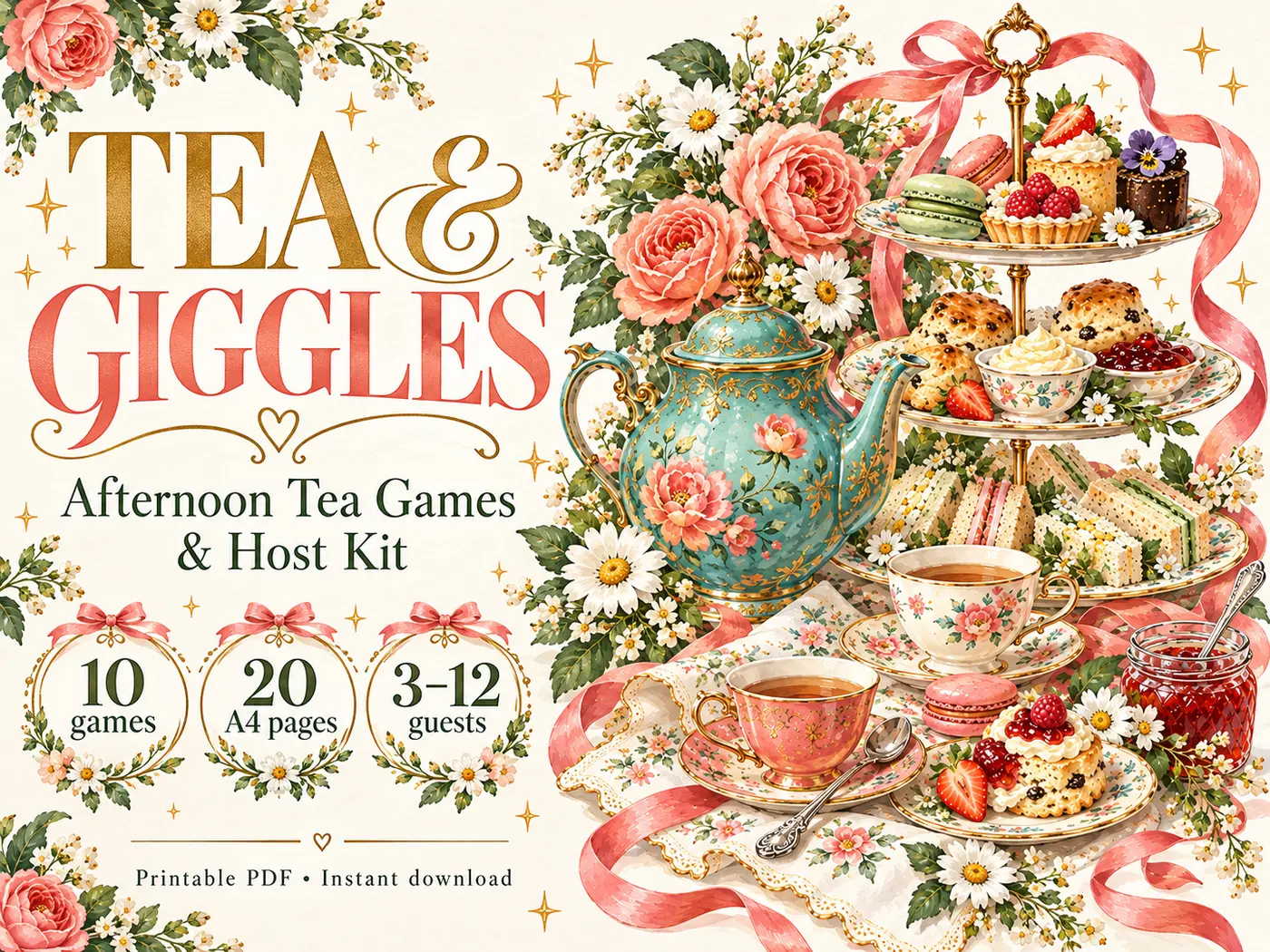
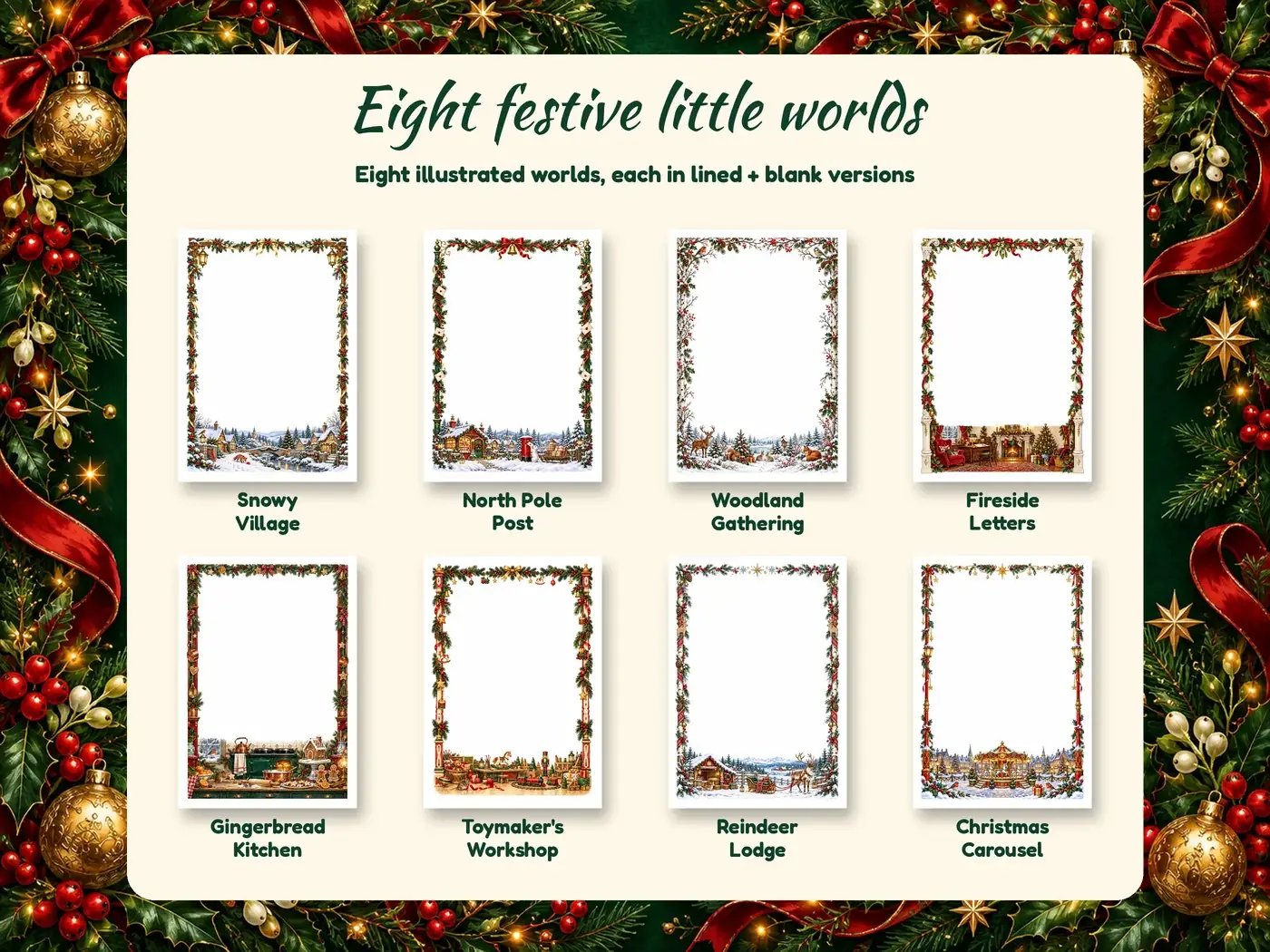
Choose a design because it suits the recipient or the message, not because every note must look festive in exactly the same way. A woodland border may fit one person; an undecorated sheet may suit another perfectly well. Both can carry a thoughtful letter.
One real detail beats a general update
For a short message, choose one shared memory, one present detail and one good wish. “I still think about our windy walk by the harbour” gives the note a recognisable connection. “The garden finally produced tomatoes” offers something concrete without requiring an annual report.
Avoid predicting how the recipient will feel. Warmth comes from attention, not from telling someone the letter is certain to delight them. If the year has been difficult, a gentle message can acknowledge that without insisting the season must be cheerful.
Let stationery support the words
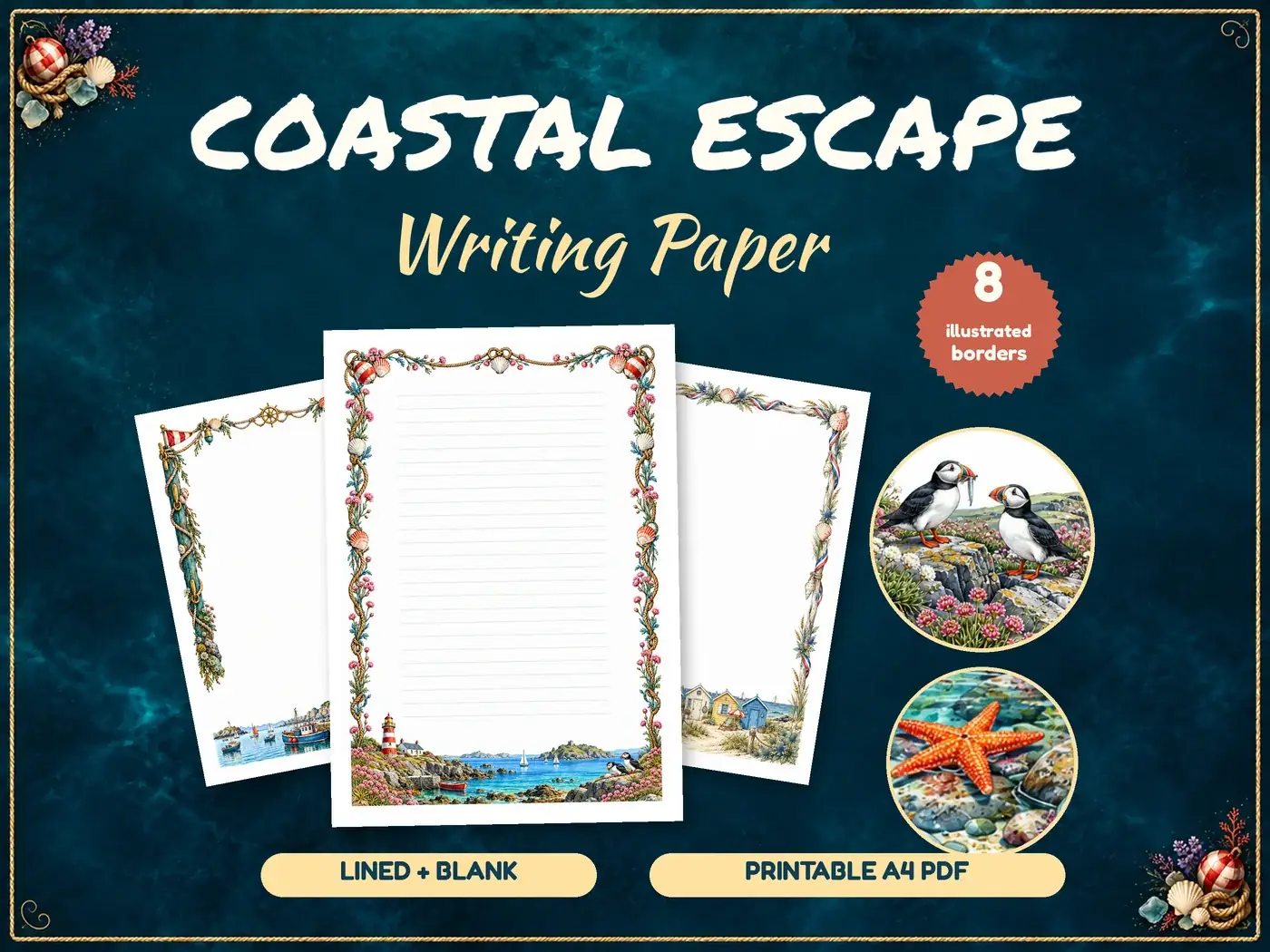
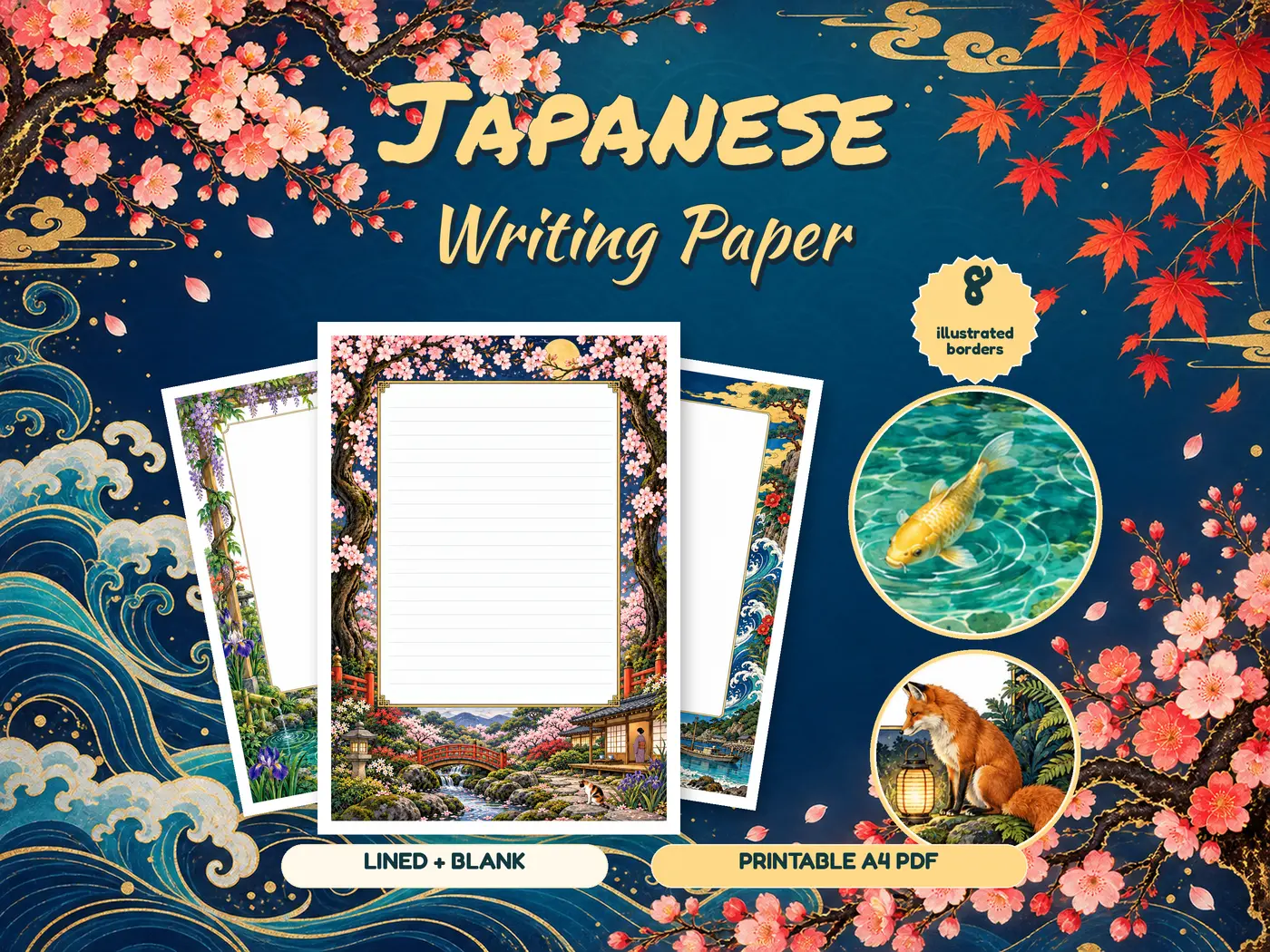
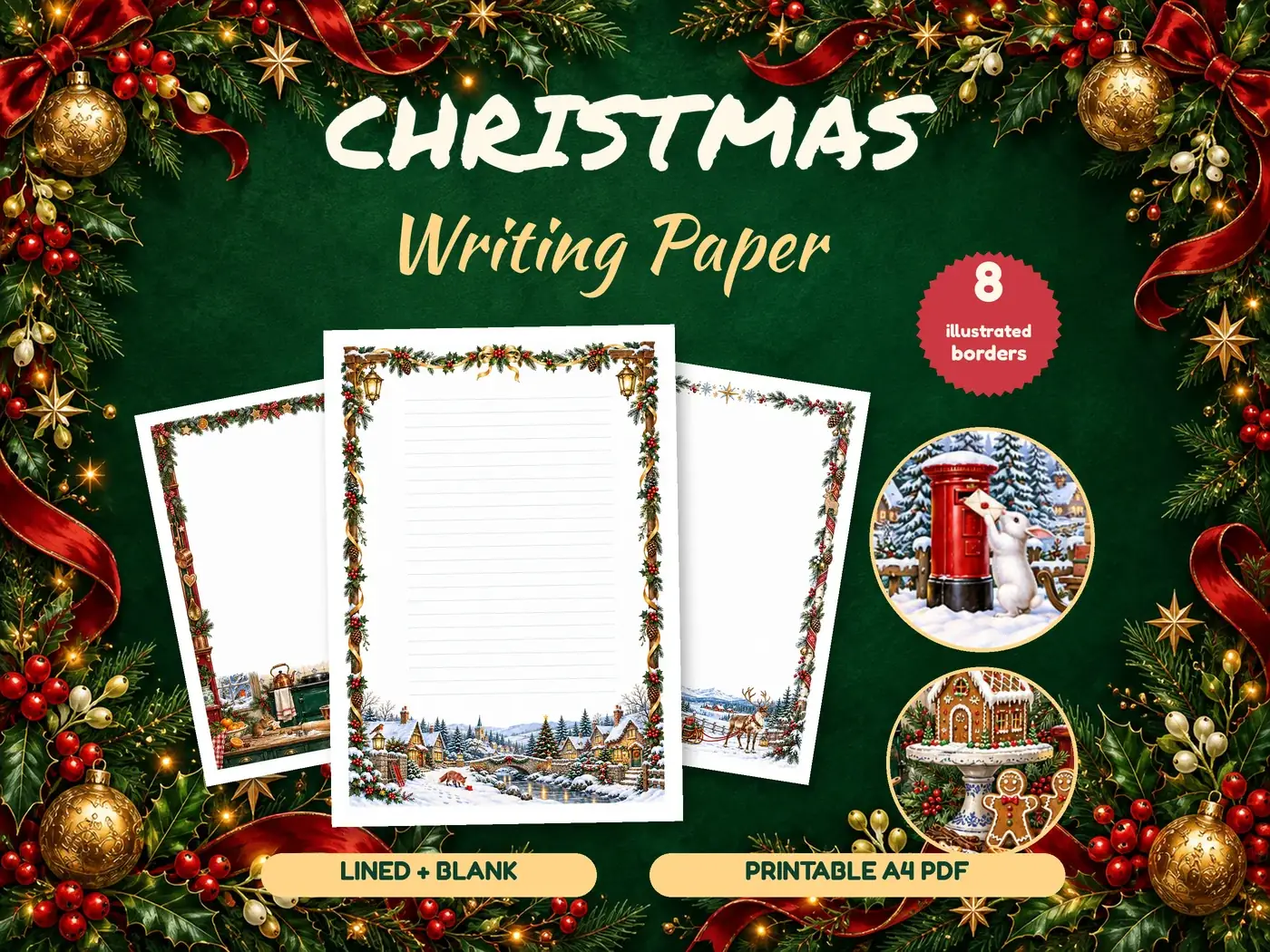
Our Christmas Writing Paper includes eight illustrated borders in lined and blank versions, with sixteen stationery pages inside an eighteen-page A4 PDF. The lined pages give handwriting a little structure; the blank versions leave room for a larger message or a child’s drawing.
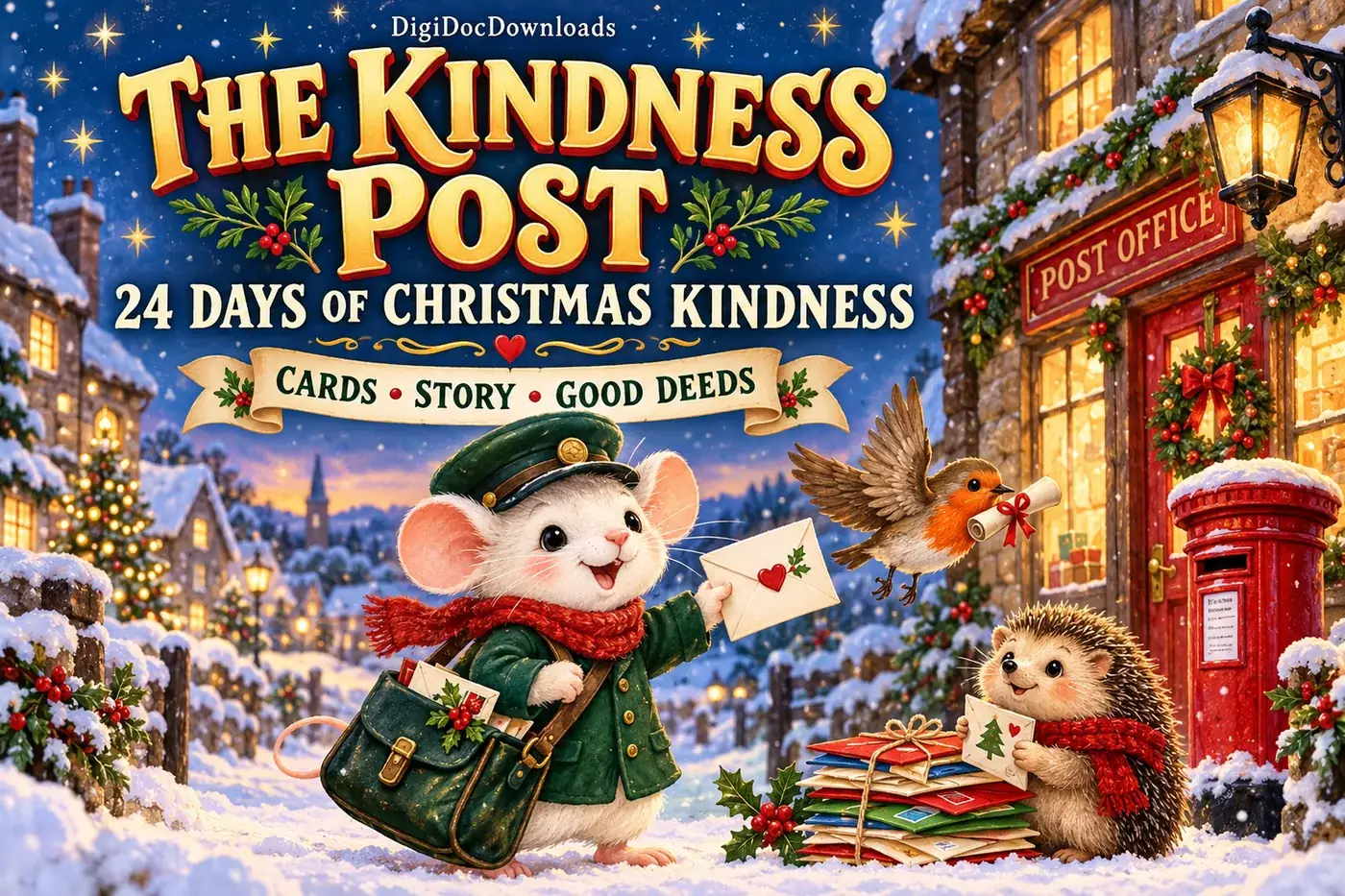
Those are ready-to-print designs, not cards with prewritten personal messages. Plain paper remains an entirely good option. For an activity built around small thoughtful actions, The Kindness Post includes thank-you notes, a postcard and blank mission cards; our kindness-calendar guide explains selecting manageable missions.
Preserve the note that matters
If a letter or card becomes a family keepsake, the Library of Congress’s preservation guidance offers a useful place to learn about caring for paper and photographs. Make a copy before using an old original in a craft activity. Its value may lie in the handwriting and date as much as the front picture.
Write the year on new messages when appropriate, too. A future reader may know who “we” were, or may not. The decorative design marks a season; a few specific words and a date help keep the human connection legible long afterwards.
Explore Christmas Writing Paper
More to read, make and discover
A few useful, interesting and checked routes into the subject.
- Further readingV&A: the first Christmas card
Henry Cole, John Callcott Horsley and the 1843 commercial card.
- Further readingThe Postal Museum: Christmas-card history
Changing card designs, postal imagery and seasonal greetings.
- Further readingLibrary of Congress: preserve family records
Care for original family documents, photographs and objects.