
Set the boundary before the first question
Ask who has finished the book, then agree how far the conversation can go. The group might choose full-book spoilers, stop at a named chapter or divide the meeting into a spoiler-light opening and a complete-book section. Say the boundary aloud even when it feels obvious. BookTrust's club-meeting guidance favours a relaxed atmosphere and open-ended questions; one shared spoiler sentence gives that discussion a much calmer starting point.
Use a short opening script
The host does not need a formal policy. Try: ‘We will keep the first half spoiler-light, then I will announce when we move into the ending. You are always welcome to pass on a question.’ If the whole group has finished, say that full-book spoilers are welcome from the start. A simple script gives the meeting a clear beginning and prevents the boundary from becoming a long negotiation.
Give unfinished readers three comfortable options
- Stay for the spoiler-light discussion and leave before the final section.
- Remain for the whole meeting and accept full spoilers after the boundary changes.
- Listen without answering a question that reaches beyond their place in the book.
Let each reader choose without asking them to explain why they have not finished. Reading time, enjoyment and access to the book can all vary. The useful question is what level of discussion they want tonight, not whether they have completed an assignment.
Sort your prompts before guests arrive
Put questions about atmosphere, style, early impressions and favourite passages in the spoiler-light pile. Keep questions about the ending, hidden motives, revelations and the final scene for the full-book pile. BookTrust’s club-meeting guide suggests four useful ways into discussion: likes, dislikes, puzzles and patterns, and questions left by the book. Those routes work in either pile; write the permitted chapter or ‘whole book’ on each card before guests arrive. If a prompt cannot be answered without revealing a major turn, keep it covered until the host announces the change.
Mark the moment when the boundary changes
Do not let the conversation drift gradually into complete spoilers. Pause and say that the full-book section is about to begin. Give anyone who wants to avoid it a natural moment to refill a drink, move to another room or leave without fuss. When the change is clear, finished readers can speak freely instead of repeatedly checking whether every detail is safe.
A spoiler rule should make the conversation easier, not make unfinished readers defend their reading pace.
Make passing ordinary
A reader may avoid a question because they have not reached that part, do not remember it or simply do not want to answer. Treat ‘pass’ as a complete response and move to the next person or prompt. The same rule helps with personal questions that a story may raise. Scope’s event-access guidance, reviewed 22 September 2026, recommends checking access information in advance and asking about breaks, a quiet place and an agenda. For a home book club, that can be as simple as sharing the timing, offering a pause and identifying a calmer seat before discussion begins. Thoughtful hosting should not make anyone explain more than they wish.
Recover simply when someone slips
If a detail escapes too early, stop, acknowledge it briefly and return to the agreed boundary. Do not repeat the reveal while apologising or turn the mistake into a debate about whether it really counts as a spoiler. The host can redirect to a safer question and save the detailed discussion for later. A calm correction protects the rest of the meeting better than a dramatic interruption.
Choose a small set from the kit
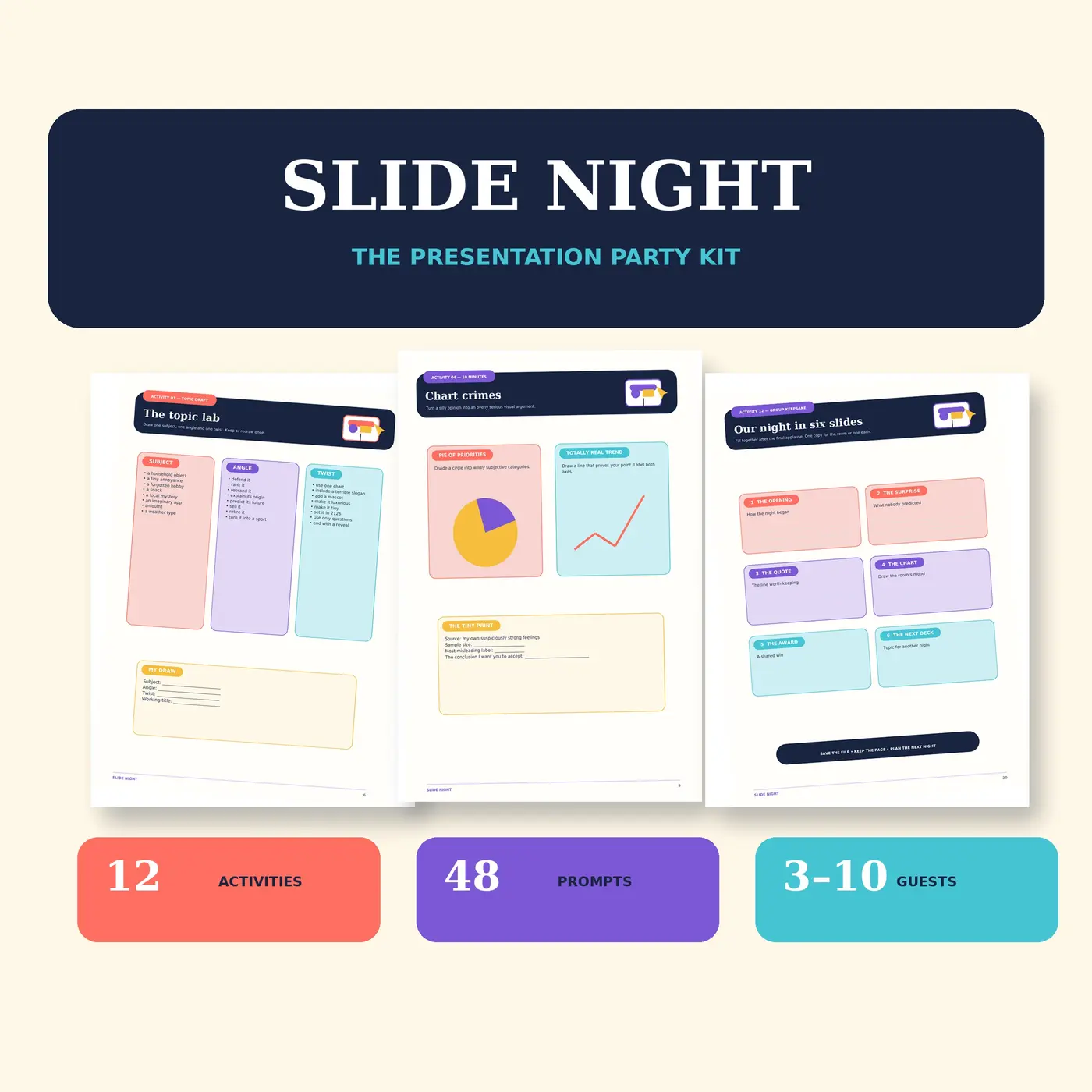
Plot Twist Book Club includes 48 discussion cards across six themed sets, so the host can choose prompts that fit both the book and the agreed boundary. Prepare a handful rather than placing every card on the table. Keep any ending-dependent questions in a separate pile, then bring them out only when the full-book section begins. Its flexible 75-minute host plan leaves room for both discussion stages and an optional activity; the pack helps organise the conversation, but the spoiler rule itself costs nothing.
Record the rule that worked
At the end, note whether the boundary was clear and whether the group wanted more spoiler-light time. Add that small decision to the meeting record with the title and date. Next time, the host can begin with a rule the group already understands, then adjust it for the new book. The American Library Association’s book-discussion guide gathers further routes for starting and guiding a group; borrow only what removes friction. A consistent opening makes it easier to welcome readers who are new, returning after a break or still a few chapters behind.
More to read, make and discover
A few useful, interesting and checked routes into the subject.
- Open discussionBookTrust: running the club meeting
Practical guidance on a relaxed atmosphere, open-ended questions and giving more readers room to contribute.
- Accessible eventsScope: making events accessible
A practical prompt to check access information in advance and ask about breaks, a quiet place and an agenda.
- Book-group planningAmerican Library Association: Book Discussion Groups
A librarian-curated route into resources for starting, guiding and sustaining book discussion groups.